Dear Readers, My husband, Manoj and I are going away for about two weeks on a river cruise on Seine River, France. We are leaving on Sunday and will return on October 10. For the next two weeks please enjoy reading the “Reflections” below about the meaning of God, Allah, Yahweh, Dao, Buddhachitta, Atman or any other name we give to the Cosmic Intelligence or Divine Within. Do you sometimes feel that something within you is wiser, kinder and more peaceful than you? Have there been moments when you’ve experienced this Self? For the next two weeks, I’d like you to read and reread what different philosophical, spiritual and religious traditions say about this wiser and kinder jewel deep within each one of us that I call Authentic Self. The......

Madhu Bazaz Wangu
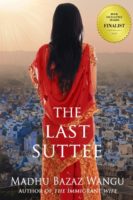
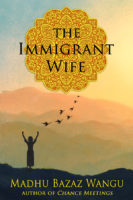
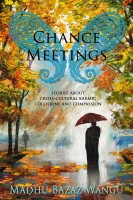
Welcome Mindful Writers &
Mindful Creators!
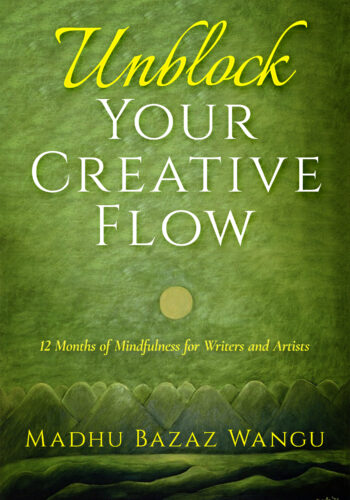

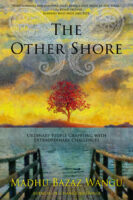
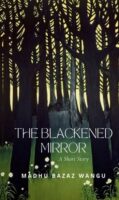
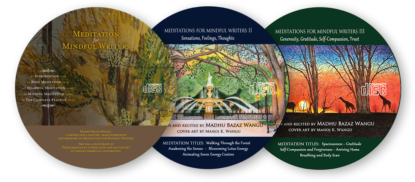
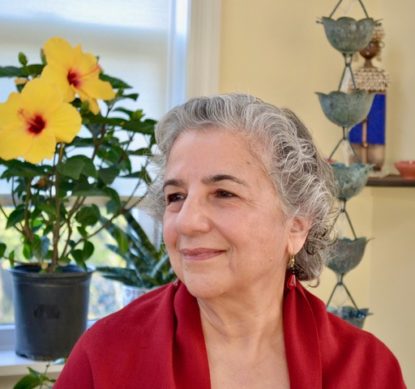
The founder of Mindful Writers Groups and Retreats, Dr. Madhu Bazaz Wangu has won awards from Writer’s Digest, Feather Quill, Readers Favorite, Next Generation Indie Book, Indie Excellence, and TAZ Awards. She inspires novice as well as advanced creative people to become better writers and creators, and authentic human beings by following the practice of Writing Meditation.
Madhu shares time-honored practices using personal anecdotes to teach Writing Meditation Practice (WMP). The practice is not only entertaining but also life transforming. Introduced to writers in 2011, it provides daily skills, tools and rituals for making yourself the better versions of you.
Madhu has written about her own struggle, trials and tribulations as well as pleasurable experiences that have come her way and taught her what it means to feel awe, wonder and afterglow of creative flow. Currently she is writing her eleventh book, the fifth fiction, tentatively titled, Meaning of My Life.
Dr. Wangu is a regular workshop presenter at writing conferences. She was the Featured Author at Beaver County Book Fest in 2017, Inaugural Guest at International Indo-American Literary Festival, 2020. That year she won Pennwriters Meritorious Award. In May 2023 she was the Lunch Keynote Speaker at Pennwriters Annual Conference.
Online Mindful Writers Group
- 27 Sep 2026
- 23 Sep 2026
Do not confuse the whispers of the Authentic Self with the voice in your head. Perhaps you’ve not yet separated yourself from the chain of thoughts and still unconsciously identify with that voice that is loud, pessimistic and never stops talking. Begin to be more attentive. Learn to differentiate between that critic’s voice (harsh and unproductive) and gentle nudges of your Self that are unexpected, productive and wise. When you make “focus on the breath” a daily routine, you’ll experience the presence of Awareness, presence of your higher Self. The whispers of your Authentic Self are from the one who is within you, who knows you, knows you more than you know yourself. This Self provides you freedom from your separate ego self. You may believe that your small ego......
- 22 Sep 2026
Do not confuse the whispers of the Authentic Self with the voice in your head. Perhaps you’ve not yet separated yourself from the chain of thoughts and still unconsciously identify with that voice that is loud, pessimistic and never stops talking. Begin to be more attentive. Learn to differentiate between that critic’s voice (harsh and unproductive) and gentle nudges of your Self that are unexpected, productive and wise. When you make “focus on the breath” a daily routine, you’ll experience the presence of Awareness, presence of your higher Self. The whispers of your Authentic Self are from the one who is within you, who knows you, knows you more than you know yourself. This Self provides you freedom from your separate ego self. You may believe that your small ego......